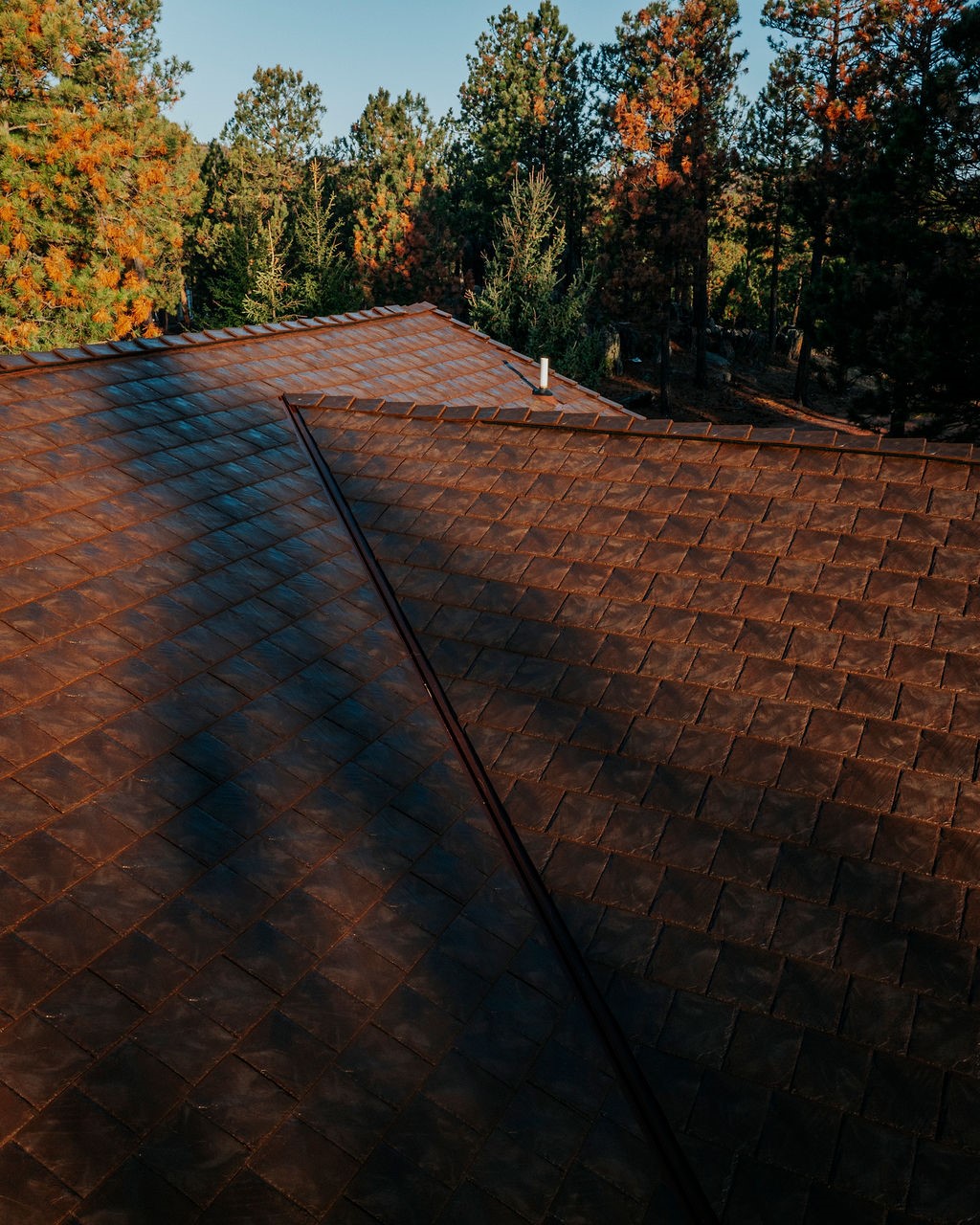
One of the most common questions homeowners ask when considering a new roof is, “How much should this cost?” Unfortunately, the most common answer they receive is also the least helpful: it depends. While that statement is technically true, it usually comes without any real explanation. The purpose of this article is to remove the mystery from roofing pricing by explaining, in clear and honest terms, what actually goes into the cost of a roof and why prices can vary so widely from one home to the next.
Roofing is typically priced by the “square,” which is a measurement equal to 100 square feet of roof surface area. This is not the same as your home’s interior square footage. Because roofs have slopes, pitches, and overhangs, the actual roof area is often larger than the footprint of the house. Most residential roofs fall somewhere between 20 and 40 squares, though this can vary significantly depending on the design of the home.
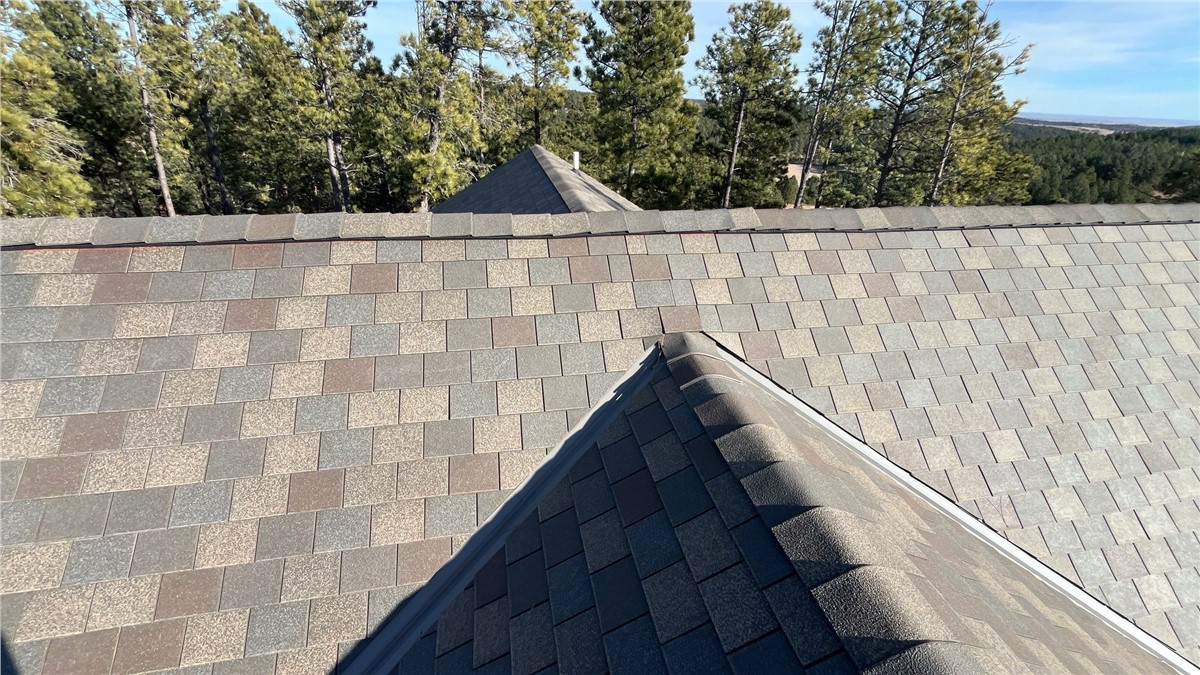
At a basic level, the roofing material you choose sets the baseline cost. Asphalt shingles, the most common residential roofing product, typically start around $500 per square. This price can change based on the type of shingle selected, such as three-tab, architectural, or impact-resistant, as well as the quality of underlayment and accessory materials used as part of the roofing system. Metal roofing generally begins around $1,000 per square for exposed fastener systems, with standing seam often costing more due to increased labor, specialized installation, and a cleaner finished appearance. Premium or synthetic roofing products, such as composite slate or shake alternatives, usually start around $1,500 per square. These products are designed to deliver high-end aesthetics with improved durability, but they require more detailed installation and higher-grade components.
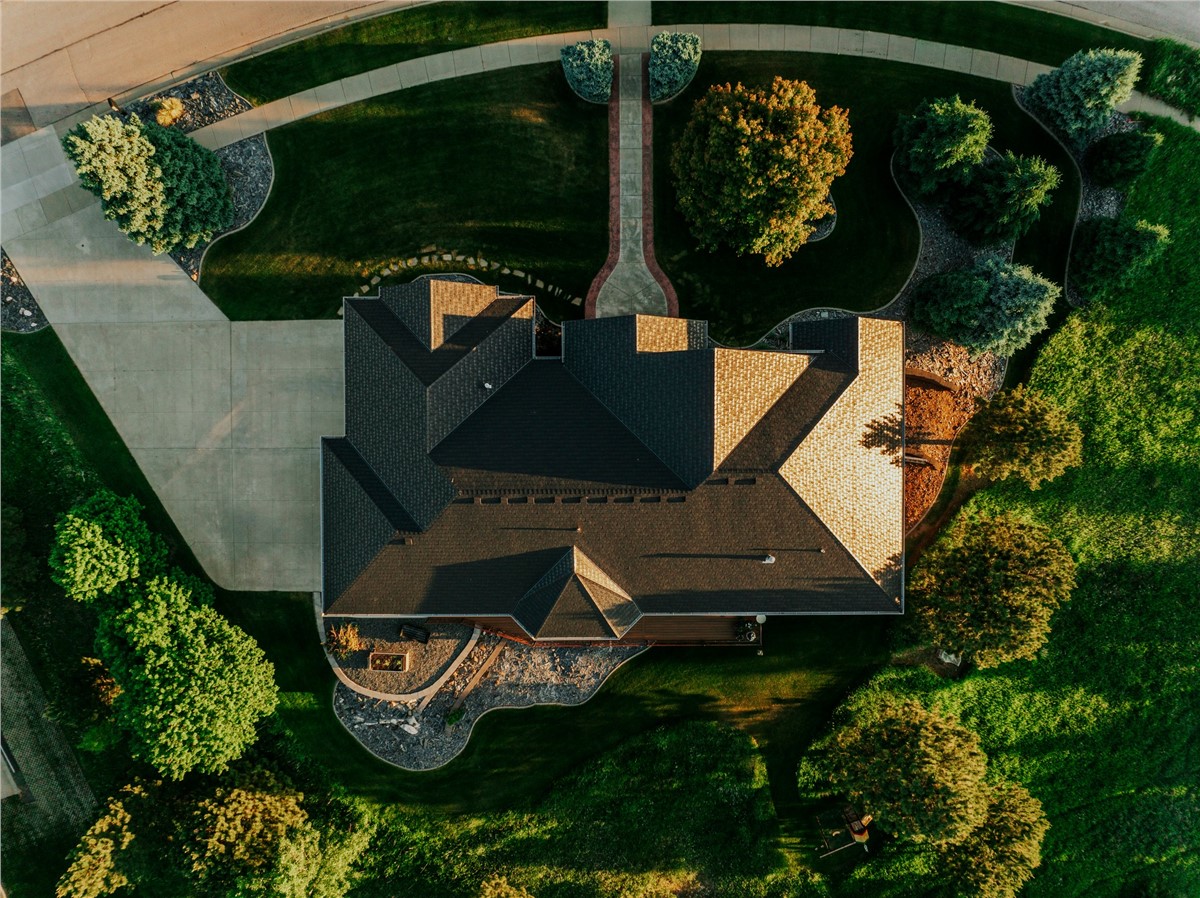
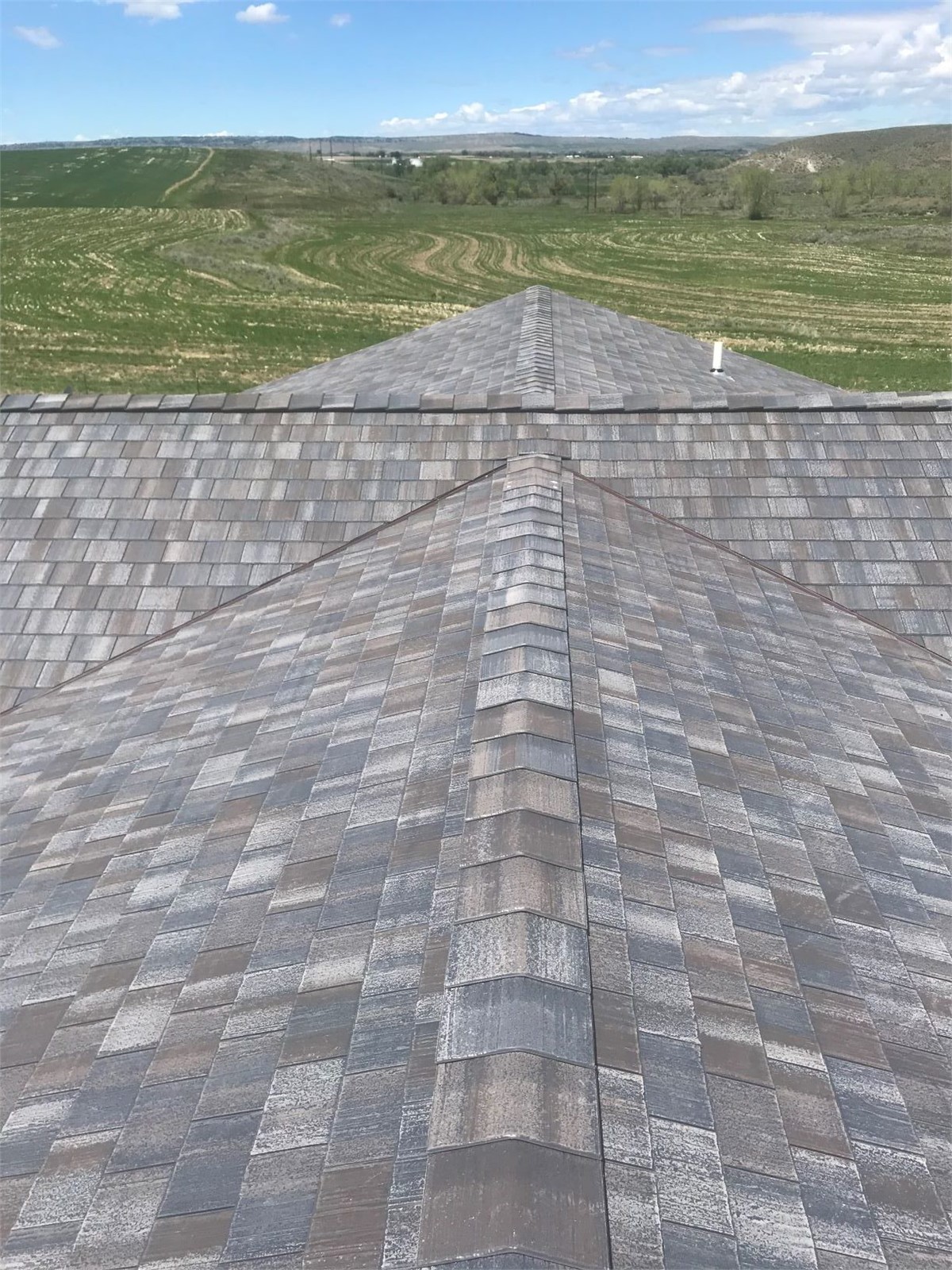
While material choice establishes a starting point, it is only one piece of the pricing puzzle. Roof complexity plays a major role in determining the final cost. A simple roof with two planes and a single ridge is far more efficient to install than a roof with multiple ridges, hips, valleys, dormers, and transitions. Valleys in particular require extra attention because they are areas where water converges and flows heavily. More complexity means more cutting, more waste, more flashing, and more time on the roof.
Several physical characteristics of the home also impact pricing, including:
The steepness of the roof, which affects safety requirements and installation speed
The height of the structure, such as one-story versus two-story homes
The overall layout of the roof, including ridges, hips, and valleys
As roofs become steeper or taller, crews must work more slowly and safely, often using harnesses, roof jacks, and additional staging. This increases labor time and cost, even if the material remains the same.
Another important factor is access to the property. Homes with easy driveway access allow materials to be staged close to the house and debris to be removed efficiently. When access is limited—due to long carry distances, steep terrain, fencing, or tight lot lines—installation takes longer and requires more labor. These logistical challenges directly affect pricing.
External obstacles and hazards also influence roofing costs. Power lines, nearby trees, and delicate landscaping all require careful planning and protection. Trees can hide damaged decking and complicate tear-off, while power lines limit where ladders and equipment can be placed. Responsible contractors take these conditions into account to protect both workers and property, and that preparation is reflected in the estimate.
Existing roof conditions matter as well. Homes with multiple layers of shingles require more labor to tear off and higher disposal fees due to the added weight of debris. In addition, once the old roof is removed, underlying issues such as soft or rotted decking may be discovered. Because these conditions cannot be fully assessed until tear-off, decking replacement is often priced separately on a per-sheet basis, which is a standard and transparent practice in the industry.
Ventilation is another critical element that affects both pricing and long-term performance. A roof is part of a system that manages heat and moisture, not just rain. Poor ventilation can shorten the lifespan of a roof and cause issues like condensation, mold, and ice dams. Improving ventilation may involve adding intake or exhaust vents, which increases labor and material costs but significantly improves durability and efficiency.
Detail work and flashing also play a major role in pricing. Areas such as chimneys, skylights, pipe penetrations, and roof-to-wall transitions require proper flashing to prevent leaks. Quality contractors replace or upgrade these components rather than reusing old materials or relying on caulking. While this adds cost, it greatly reduces the risk of future failures.
Finally, warranty level and system upgrades can influence the overall price. Roofs installed as full manufacturer systems often include upgraded underlayments, ice and water protection, starter strips, ridge caps, and enhanced fastening patterns. These upgrades are not cosmetic; they improve performance and often qualify the roof for stronger manufacturer-backed warranties.
When homeowners compare estimates, it is important to understand that a significantly lower price often means something has been omitted or simplified. Cheaper roofs typically cost less because of:
Lower-grade materials
Reduced flashing and detail work
Limited ventilation improvements
Faster, less controlled installation
Minimal property protection
In the end, roofing pricing is driven by both material and complexity. Shingles typically start around $500 per square, metal around $1,000 per square, and premium products around $1,500 per square, but the final cost depends on the specific conditions of your home. Understanding these factors allows you to evaluate roofing estimates intelligently and choose a roof based on long-term value rather than just the initial price.
Tags
Subscribe to Built Right Roofing & Construction's Blog




Comments